
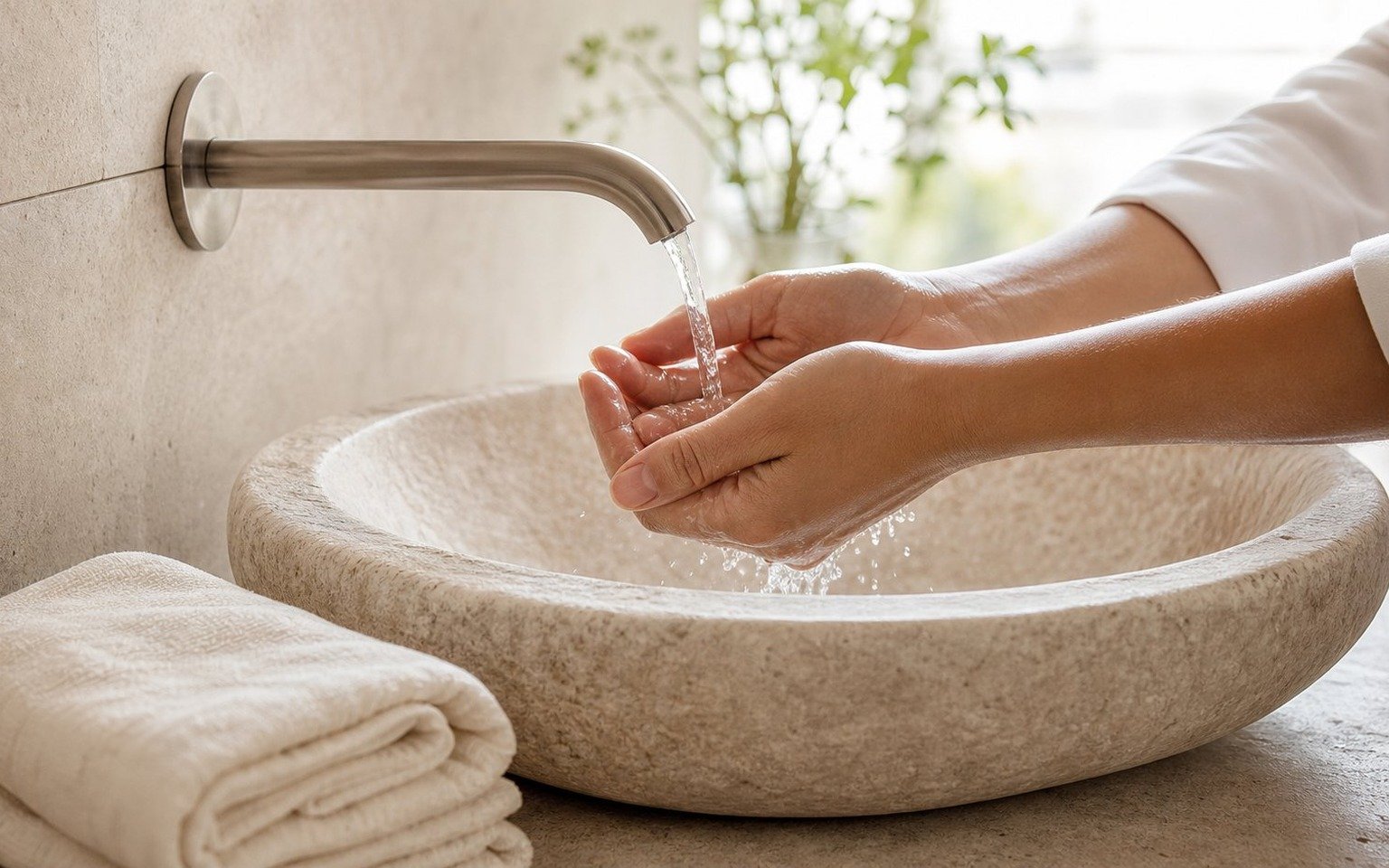
Personal hygiene is not a performance or a measure of perfection. It is a collection of small, practical habits that help us care for ourselves and be considerate of others. The best routine is one you can follow without turning the everyday into a complicated project.
Start with the moments that matter
Handwashing is a useful place to begin. Wash with soap and clean water before preparing or eating food, after using the bathroom, and after coughing or sneezing. Work soap over your palms, the backs of your hands, between your fingers and under your nails for at least 20 seconds, then rinse and dry. When soap and water are not available, the CDC recommends a hand sanitiser containing at least 60% alcohol.
Cleanse with consideration
Bathing needs vary with climate, activity and skin. Pay attention to areas that become sweaty or need regular cleaning, and choose a routine that feels comfortable rather than following someone else’s schedule. Very hot water and harsh scrubbing can be uncomfortable, particularly for dry or sensitive skin; a gentler approach may suit you better.
Give everyday items their place
A clean towel, fresh clothing and space for items to dry can make a routine easier to maintain. Let damp towels dry between uses, and wash them regularly. Keep personal care items clean and avoid sharing items intended for individual use. These are practical habits, not rules that need to look identical in every household.
Notice what your skin tells you
Hygiene should not mean ignoring discomfort. If a product irritates your skin, stop using it. Persistent irritation or a new concern is worth discussing with a qualified healthcare professional. Consistency and care matter more than an overflowing shelf.